What if I told you that Viggo Mortensen starred as an undercover cop brought in to take down a foreign crime organization, but then gets into deep with his loyalties to the criminal element? Of course, you’d say David Cronenberg’s neo-classic Eastern Promises. You’d only be partially right because Mortensen, in the early 90s, starred in the similarly plotted American Yakuza. A Toei V-Cinema original from the heyday of Japan’s DTV film boom. The action thriller melds the American Gangster film with the Yakuza thriller.
Those expecting something like Eastern Promises or the V-cinema of Takashi Miike will be disappointed. That isn’t to say the film isn’t compelling. American Yakuza is good, not great. A film that uses too many shortcuts in place of meaningful scenes of dialogue. The style and visual flair are there and surprising for such a low-budget entry, but much of the relationships and themes are not present. It’s a solid thriller that wants to be a procedural action film ala Lethal Weapon or Showdown in the Little Tokyo, but also the Kinji Fukasaku Yakuza crime drama. In the 90-minute run time, it never successfully melds the two and settles for being an interesting experiment in both.
What does elevate the film is the lead performance by Viggo Mortensen as the undercover Fed Nick Davis. Mortensen thrives in the role that shows a man conflicted with the role he plays in selling out someone he has become friends with. Even early in his career, Mortensen shows a propensity for not just action but the laconic performances he would be known for. The actor sells more in a glance in American Yakuza than most actors can in an entire performance. The only shock here is that it would take the star another decade before rising to prominence.
American Yakuza is definitely worth a viewing if only for Mortensen’s fascinating performance. Those well-versed in Yakuza crime thrillers may find it pedestrian or lacking the kind of character development of the best of the genre.
The Transfers
The all-new 2K restoration from the original camera negative by Toei Pictures is another stellar transfer released by Arrow Video. The relationship between Toei and Arrow continues to provide some of the best home video releases, and this is no different. The image is sharp without a scratch or blemish in sight. The grainy look of the film adds to the gritty aesthetic of the work. Though the grain is never distracting always adds to the razor-sharp transfer. No matter what one thinks of American Yakuza, one cannot doubt the time, care, and effort that Toei and Arrow put into bringing this film to Blu-ray.
The Extras
They include the following;
Brand new audio commentary with director Frank Cappello and actor Anzu (Cristina) Lawson
Yakuza Style, a newly filmed interview with director Frank Cappello
Decoding Honor, an archive interview with actor Viggo Mortensen
Newly filmed interview with actor Ryo Ishibashi
Original trailer
Image gallery
The all-new audio commentary with director Frank Cappello and actor Anzu (Cristina) Lawson begins with introductions, including the fact that Anzu was credited as Cristina Lawson. Some of the details include Lawson and Capello discussing their first impressions of Mortensen and the casting of the star; Lawson’s connection to Ryo Ishibashi and her famous uncle, Japanese acting legend Yusaku Matsuda; a discussion of the action scene and how it was accomplished; the supposed sequel, which was not a true sequel American Yakuza 2; working with Michael Nouri and how intense he was; Cappello’s contentious relationship with his AD during the shoot and how he got around it for certain scenes; working with Robert Forester; the song they’re singing in the van is actually a famous pop song in Japan by Ryo Ishibashi; the various techniques to save money and time that allowed him to get more value on screen; a larger discussion of the various action scenes and how many people were hurt because of actors doing the scenes instead of stunt doubles; a larger discussion of the various actors that appear, many of whom became famous after this film; a larger discussion of the locations they used, sometimes multiple scenes; and much more.
Yakuza Style an interview with Frank Cappello (12:36) – is an all-new interview with the director. Capello opens with his inspiration from an early age and how that transitioned into opening a company in Florida; his first big break with AMC Theaters and their logos; their transition to feature films; his selling of the script for Suburban Commando; how a short he directed turned into the job American Yakuza; the development of the script; the low budget nature of the production which was made for $1 million (which is a huge budget nowadays); what he considered his secret weapon, casting director Don Phillips; his thoughts on how difficult the production was because of how low budget it was; the success of the film in Japan – even over a big budget film like Black Rain; the editing/post-production process and using Avid for the first time; the life friendship between Viggo Mortensen and Ryo Ishibashi; and much more.
Decoding Honor in Conversation with Viggo Mortensen (37:38) – is an archive interview with the star. Mortensen recorded via Zoom opens with how he got the job from the casting director and production, Don Phillips, after the failure of Indian Runner; his son being on the set and how that turned his son’s life; his friendship with Ryo; the low-budget nature of the production; working with Frank Cappello; the horrendous injury he incurred during an action scene; the unique tone of the film; a great side story about The Prophecy and how he got the role of the Devil; his career trajectory and how difficult it was to make a living off of acting (working since 1982) and it wasn’t until GI Jane that he began to make a decent wage; the complications that come up in the life of an actor and he gives how he got Daylight to be able to work on Portrait of a Lady at the same time and filming in the same area in Italy; what it was like working with Renny Harlin on his first US film Prison; working with Robert Forrester and a great anecdote from the set; and much more.
Newly filmed interview with actor Ryo Ishibashi (10:40) – in this all-new interview with actor Ryo Ishibashi, the actor discusses his early childhood, watching Yakuza films, and loving the themes of loyalty and brotherhood. Ishibashi goes on to discuss his early childhood experience with real-life Yakuza; having studied English since middle school, but still having trouble with the longer dialogue scenes; the film was the first time he spoke English in a film; his thoughts about working with Mortensen and the friendship they formed and kept throughout the years; a great discussion of Mortensen and Ishibashi attempting to remake Hell in the Pacific; and much more.
Original trailer (1:52)
Image gallery – the gallery contains 20 production stills.
The Final Thought
Arrow’s dive into the fascinating world of Japanese V-Cinema continues to produce arresting results. Recommended!

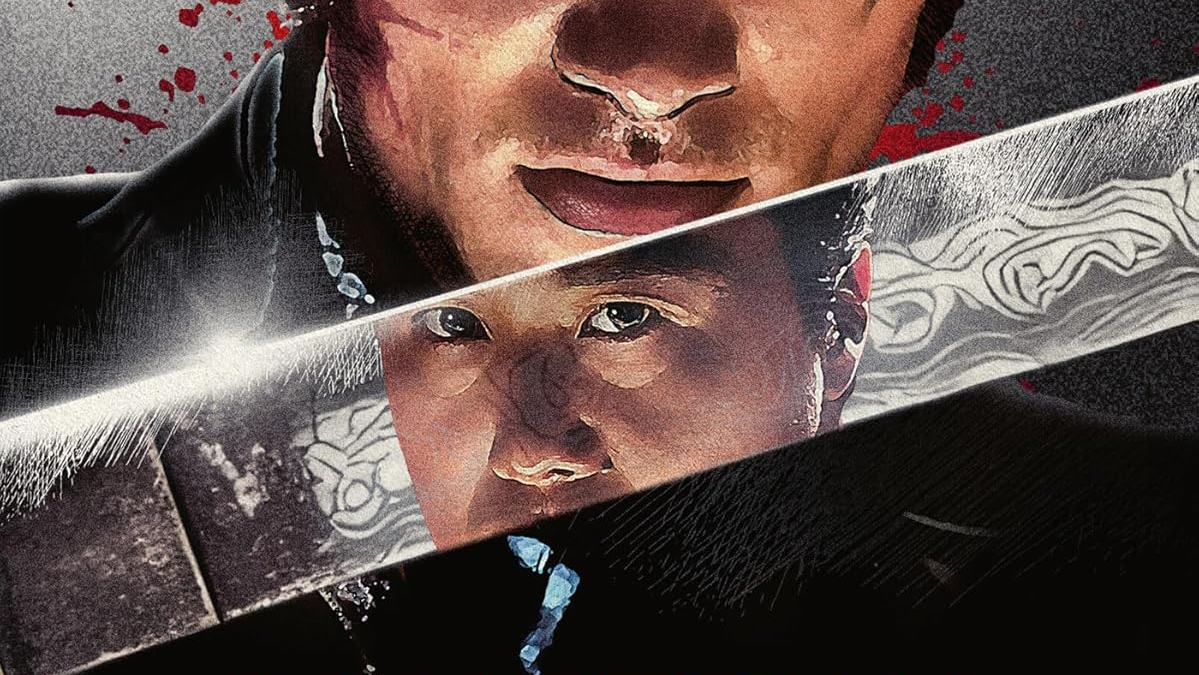
Viggo Mortensen is a part of the American Yakuza. New to Blu-ray from Arrow Video.
The Films
What if I told you that Viggo Mortensen starred as an undercover cop brought in to take down a foreign crime organization, but then gets into deep with his loyalties to the criminal element? Of course, you’d say David Cronenberg’s neo-classic Eastern Promises. You’d only be partially right because Mortensen, in the early 90s, starred in the similarly plotted American Yakuza. A Toei V-Cinema original from the heyday of Japan’s DTV film boom. The action thriller melds the American Gangster film with the Yakuza thriller.
Those expecting something like Eastern Promises or the V-cinema of Takashi Miike will be disappointed. That isn’t to say the film isn’t compelling. American Yakuza is good, not great. A film that uses too many shortcuts in place of meaningful scenes of dialogue. The style and visual flair are there and surprising for such a low-budget entry, but much of the relationships and themes are not present. It’s a solid thriller that wants to be a procedural action film ala Lethal Weapon or Showdown in the Little Tokyo, but also the Kinji Fukasaku Yakuza crime drama. In the 90-minute run time, it never successfully melds the two and settles for being an interesting experiment in both.
What does elevate the film is the lead performance by Viggo Mortensen as the undercover Fed Nick Davis. Mortensen thrives in the role that shows a man conflicted with the role he plays in selling out someone he has become friends with. Even early in his career, Mortensen shows a propensity for not just action but the laconic performances he would be known for. The actor sells more in a glance in American Yakuza than most actors can in an entire performance. The only shock here is that it would take the star another decade before rising to prominence.
American Yakuza is definitely worth a viewing if only for Mortensen’s fascinating performance. Those well-versed in Yakuza crime thrillers may find it pedestrian or lacking the kind of character development of the best of the genre.
The Transfers
The all-new 2K restoration from the original camera negative by Toei Pictures is another stellar transfer released by Arrow Video. The relationship between Toei and Arrow continues to provide some of the best home video releases, and this is no different. The image is sharp without a scratch or blemish in sight. The grainy look of the film adds to the gritty aesthetic of the work. Though the grain is never distracting always adds to the razor-sharp transfer. No matter what one thinks of American Yakuza, one cannot doubt the time, care, and effort that Toei and Arrow put into bringing this film to Blu-ray.
The Extras
They include the following;
The all-new audio commentary with director Frank Cappello and actor Anzu (Cristina) Lawson begins with introductions, including the fact that Anzu was credited as Cristina Lawson. Some of the details include Lawson and Capello discussing their first impressions of Mortensen and the casting of the star; Lawson’s connection to Ryo Ishibashi and her famous uncle, Japanese acting legend Yusaku Matsuda; a discussion of the action scene and how it was accomplished; the supposed sequel, which was not a true sequel American Yakuza 2; working with Michael Nouri and how intense he was; Cappello’s contentious relationship with his AD during the shoot and how he got around it for certain scenes; working with Robert Forester; the song they’re singing in the van is actually a famous pop song in Japan by Ryo Ishibashi; the various techniques to save money and time that allowed him to get more value on screen; a larger discussion of the various action scenes and how many people were hurt because of actors doing the scenes instead of stunt doubles; a larger discussion of the various actors that appear, many of whom became famous after this film; a larger discussion of the locations they used, sometimes multiple scenes; and much more.
Yakuza Style an interview with Frank Cappello (12:36) – is an all-new interview with the director. Capello opens with his inspiration from an early age and how that transitioned into opening a company in Florida; his first big break with AMC Theaters and their logos; their transition to feature films; his selling of the script for Suburban Commando; how a short he directed turned into the job American Yakuza; the development of the script; the low budget nature of the production which was made for $1 million (which is a huge budget nowadays); what he considered his secret weapon, casting director Don Phillips; his thoughts on how difficult the production was because of how low budget it was; the success of the film in Japan – even over a big budget film like Black Rain; the editing/post-production process and using Avid for the first time; the life friendship between Viggo Mortensen and Ryo Ishibashi; and much more.
Decoding Honor in Conversation with Viggo Mortensen (37:38) – is an archive interview with the star. Mortensen recorded via Zoom opens with how he got the job from the casting director and production, Don Phillips, after the failure of Indian Runner; his son being on the set and how that turned his son’s life; his friendship with Ryo; the low-budget nature of the production; working with Frank Cappello; the horrendous injury he incurred during an action scene; the unique tone of the film; a great side story about The Prophecy and how he got the role of the Devil; his career trajectory and how difficult it was to make a living off of acting (working since 1982) and it wasn’t until GI Jane that he began to make a decent wage; the complications that come up in the life of an actor and he gives how he got Daylight to be able to work on Portrait of a Lady at the same time and filming in the same area in Italy; what it was like working with Renny Harlin on his first US film Prison; working with Robert Forrester and a great anecdote from the set; and much more.
Newly filmed interview with actor Ryo Ishibashi (10:40) – in this all-new interview with actor Ryo Ishibashi, the actor discusses his early childhood, watching Yakuza films, and loving the themes of loyalty and brotherhood. Ishibashi goes on to discuss his early childhood experience with real-life Yakuza; having studied English since middle school, but still having trouble with the longer dialogue scenes; the film was the first time he spoke English in a film; his thoughts about working with Mortensen and the friendship they formed and kept throughout the years; a great discussion of Mortensen and Ishibashi attempting to remake Hell in the Pacific; and much more.
Original trailer (1:52)
Image gallery – the gallery contains 20 production stills.
The Final Thought
Arrow’s dive into the fascinating world of Japanese V-Cinema continues to produce arresting results. Recommended!
Arrow Video’s Blu-ray Edition of American Yakuza is out now.
Share this:
Like this:
Discover more from The Movie Isle
Subscribe to get the latest posts sent to your email.