Note: the film does depict abuse towards women in all forms.
Ken Russell’s daring darkly comedic searing drama Whore could never be made today. It’s a minor miracle the NC-17-rated film was made in 1990. A look at the life of a sex worker Liz portrayed by Theresa Russell the film pulls no punches when it comes to her point of view. Russell’s trademark arched melodramatic stylized approach helps a bitter dark jagged pill to swallow.
Liz tells us from the beginning under no uncertain terms men are trash. Not just trash but flaming shit trash. Currently on the run from her pimp Blake (Benjamin Mouton), who she only took on because of a savage sexual assault. She understands the rule of this rigged game but as she explains – directly at the camera – there were dwindling options for her in a world that treats uneducated women without worth. As Blake gets closer and closer to finding her Liz begins to realize she needs to find an out. If not this life, at least away from her abuser.
Make no qualms Director/co-screenwriter Russell and co-screenwriter Deborah Dalton adapting the stage play Bondage by David Hines is not salacious or exploitative in any way. They have managed to make a harrowing, oftentimes human and humane portrait of a woman stuck in a profession that is rejected by all in society but manages to continue unabated because of the same people who reject it. Liz is always given her voice and dignity by the film though the characters within it may try to take it from her. Throughout the film as she is systematically abused by everyone – with few exceptions – Liz never allows herself to be a victim or look at others in that way. Liz even allows those who abuse her some grace explaining these men better than they even could themselves.
That honesty within Russell’s and Dalton’s script translates into an amazing performance by Theresa Russell. The actress who burnt the screen afire in Nic Roeg’s Bad Timing is given another plumb role as Liz. There is a fearlessness to the way she dives into the role that few would. The humor doesn’t come from Russell playing into a joke, it comes from the honesty and venom that Liz feels toward the human race, specifically men. The way that Russell (both the director and star) makes the moments where Liz is talking to the screen a sort of confessional discussion with a never-seen third party is brilliant. Russell (the actor) never overplays these moments rather they’re insightful critiques of the men who partake in sex work. Even if one does not like this movie, one cannot deny the power of Theresa Russell’s performance.
Whore ends with no easy answers or a fairy tale ending – thankfully it respects Liz and other sex worker’s harrowing plight.
The Transfer
Kino Lorber has done another great job on the Amir Mokri shot Ken Russell film, in what appears to be a new Master/Transfer. The image is sharp without many issues. There aren’t any blemishes or scratches on the print/negative/interpositive they used. The color reproduction and contrast levels are solid. It all leads to an excellent presentation of the film giving it the look of 35mm archival print.
The Extras
They include the following;
Audio Commentary by Novelist and Critic Tim Lucas
Interview with screenwriter Deborah Dalton
Video Comparison of Alternate Versions, With Commentary by Tim Lucas
Theatrical Trailer
The all-new Audio Commentary by Novelist and Critic Tim Lucas begins with Russell being one of the directors he’s learned the most from and how Whore is a fascinating part of the filmmaker’s filmography. Some of the other details include a discussion of the opening song and the soundtrack throughout – which was mostly from Select Records; a discussion of the production budget and how it was shrunk – and a discussion of Russell directed film never went over budget; Theresa Russell’s hesitation to take the role – including Ken Russell’s reputation to exploit female actors, but how this is just not the case, showing examples of Glenda Jackson and Kathleen Turner; a discussion of the various versions of the films – what was cut and what was including in each; the personal and career history of Theresa Russell; the cultural in which Whore was made in released in during the late 80s into the early 90s; a discussion of the writing, development, production, and openings (of the various versions) of play Bondage – the play Whore is based on; a discussion of the work of Editor Brian Tagg – and a larger discussion of the post-production troubles; a discussion of Ken Russell’s career and where he was when Whore went into production – including the reasons he loss final cut; a discussion of the work of composer Michael Gibbs; the production schedule and release schedule; the work of cinematographer Amir Mokri – including who his camera operator; a larger discussion of the sex worker in film and how Whore rubs against the various popular versions created; a larger discussion of the various actors that appear in the film – most before they were famous; and much more.
Interview with screenwriter Deborah Dalton (15:04) – in the all-new interview with the screenwriter begins with how Ken Russell and Dalton’s career trajectories paralleled in similar manners moving to Directing and Screenwriter later in their career. Dalton discusses her entry into the AFI Women’s Directing Program, a sitcom acting job – post-AFI – that lead to research with Sex Workers, how Russell “received” the original script which was a stage play for Whore, how eventually Dalton was hired by Russell, the difficulties of finding funding – and how they eventually found Trimark, and their “conditions” at the time; Dalton’s working relationship with Russell as she rewrote the script; the casting Theresa Russell (her being Ken Russell’s first choice) – Elizabeth McGovern was the production’s first choice; the trouble with post-production for Russell; and much more.
Video Comparison of Alternate Versions, With Commentary by Tim Lucas (13:26) – in this fascinating visual essay, Lucas dissects the four versions of Whore including the R-Rated (made-for-home video version) called If You Can’t Say It, Just See It. The alternate versions of scenes are played and a history is given by Lucas as to why these were created with the help of director Ken Russell. It’s a great featurette that delves into the fact that sometimes the NC-17-rated cut isn’t as extreme as say the R-rated cut, showing some of the hypocrisy and censorship of the MPAA and various other groups that essentially censor films.
Theatrical Trailer (1:01)
The Final Thought
Kino Cult continues to etch out a very different curation from Kino Lorber proper. Whore may not be for all but those that love the work of Ken Russell will find this edition vital to their collection. Recommended.

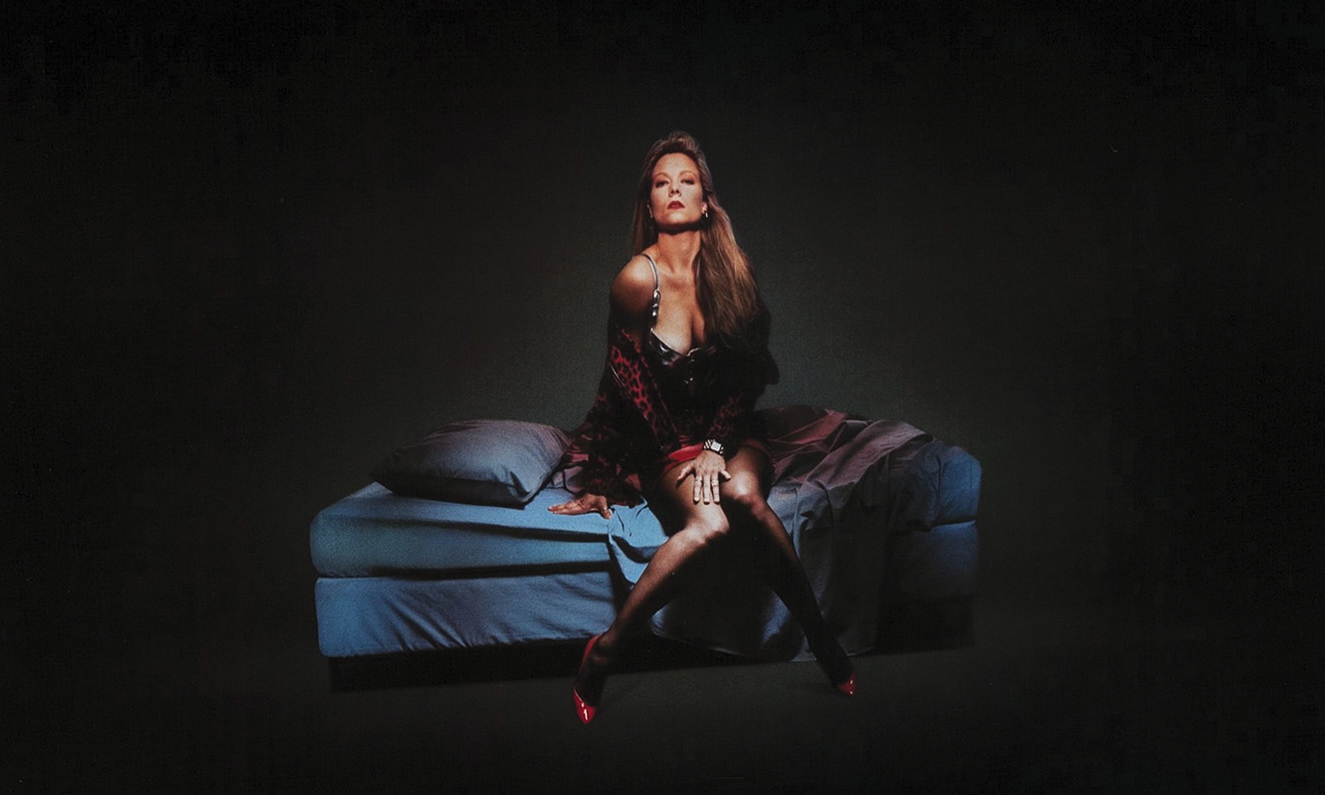
Theresa Russell is electric in Ken Russell’s dark comedic drama Whore. New to Blu-ray from Kino Lorber’s label Kino Cult.
The Film
Note: the film does depict abuse towards women in all forms.
Ken Russell’s daring darkly comedic searing drama Whore could never be made today. It’s a minor miracle the NC-17-rated film was made in 1990. A look at the life of a sex worker Liz portrayed by Theresa Russell the film pulls no punches when it comes to her point of view. Russell’s trademark arched melodramatic stylized approach helps a bitter dark jagged pill to swallow.
Liz tells us from the beginning under no uncertain terms men are trash. Not just trash but flaming shit trash. Currently on the run from her pimp Blake (Benjamin Mouton), who she only took on because of a savage sexual assault. She understands the rule of this rigged game but as she explains – directly at the camera – there were dwindling options for her in a world that treats uneducated women without worth. As Blake gets closer and closer to finding her Liz begins to realize she needs to find an out. If not this life, at least away from her abuser.
Make no qualms Director/co-screenwriter Russell and co-screenwriter Deborah Dalton adapting the stage play Bondage by David Hines is not salacious or exploitative in any way. They have managed to make a harrowing, oftentimes human and humane portrait of a woman stuck in a profession that is rejected by all in society but manages to continue unabated because of the same people who reject it. Liz is always given her voice and dignity by the film though the characters within it may try to take it from her. Throughout the film as she is systematically abused by everyone – with few exceptions – Liz never allows herself to be a victim or look at others in that way. Liz even allows those who abuse her some grace explaining these men better than they even could themselves.
That honesty within Russell’s and Dalton’s script translates into an amazing performance by Theresa Russell. The actress who burnt the screen afire in Nic Roeg’s Bad Timing is given another plumb role as Liz. There is a fearlessness to the way she dives into the role that few would. The humor doesn’t come from Russell playing into a joke, it comes from the honesty and venom that Liz feels toward the human race, specifically men. The way that Russell (both the director and star) makes the moments where Liz is talking to the screen a sort of confessional discussion with a never-seen third party is brilliant. Russell (the actor) never overplays these moments rather they’re insightful critiques of the men who partake in sex work. Even if one does not like this movie, one cannot deny the power of Theresa Russell’s performance.
Whore ends with no easy answers or a fairy tale ending – thankfully it respects Liz and other sex worker’s harrowing plight.
The Transfer
Kino Lorber has done another great job on the Amir Mokri shot Ken Russell film, in what appears to be a new Master/Transfer. The image is sharp without many issues. There aren’t any blemishes or scratches on the print/negative/interpositive they used. The color reproduction and contrast levels are solid. It all leads to an excellent presentation of the film giving it the look of 35mm archival print.
The Extras
They include the following;
The all-new Audio Commentary by Novelist and Critic Tim Lucas begins with Russell being one of the directors he’s learned the most from and how Whore is a fascinating part of the filmmaker’s filmography. Some of the other details include a discussion of the opening song and the soundtrack throughout – which was mostly from Select Records; a discussion of the production budget and how it was shrunk – and a discussion of Russell directed film never went over budget; Theresa Russell’s hesitation to take the role – including Ken Russell’s reputation to exploit female actors, but how this is just not the case, showing examples of Glenda Jackson and Kathleen Turner; a discussion of the various versions of the films – what was cut and what was including in each; the personal and career history of Theresa Russell; the cultural in which Whore was made in released in during the late 80s into the early 90s; a discussion of the writing, development, production, and openings (of the various versions) of play Bondage – the play Whore is based on; a discussion of the work of Editor Brian Tagg – and a larger discussion of the post-production troubles; a discussion of Ken Russell’s career and where he was when Whore went into production – including the reasons he loss final cut; a discussion of the work of composer Michael Gibbs; the production schedule and release schedule; the work of cinematographer Amir Mokri – including who his camera operator; a larger discussion of the sex worker in film and how Whore rubs against the various popular versions created; a larger discussion of the various actors that appear in the film – most before they were famous; and much more.
Interview with screenwriter Deborah Dalton (15:04) – in the all-new interview with the screenwriter begins with how Ken Russell and Dalton’s career trajectories paralleled in similar manners moving to Directing and Screenwriter later in their career. Dalton discusses her entry into the AFI Women’s Directing Program, a sitcom acting job – post-AFI – that lead to research with Sex Workers, how Russell “received” the original script which was a stage play for Whore, how eventually Dalton was hired by Russell, the difficulties of finding funding – and how they eventually found Trimark, and their “conditions” at the time; Dalton’s working relationship with Russell as she rewrote the script; the casting Theresa Russell (her being Ken Russell’s first choice) – Elizabeth McGovern was the production’s first choice; the trouble with post-production for Russell; and much more.
Video Comparison of Alternate Versions, With Commentary by Tim Lucas (13:26) – in this fascinating visual essay, Lucas dissects the four versions of Whore including the R-Rated (made-for-home video version) called If You Can’t Say It, Just See It. The alternate versions of scenes are played and a history is given by Lucas as to why these were created with the help of director Ken Russell. It’s a great featurette that delves into the fact that sometimes the NC-17-rated cut isn’t as extreme as say the R-rated cut, showing some of the hypocrisy and censorship of the MPAA and various other groups that essentially censor films.
Theatrical Trailer (1:01)
The Final Thought
Kino Cult continues to etch out a very different curation from Kino Lorber proper. Whore may not be for all but those that love the work of Ken Russell will find this edition vital to their collection. Recommended.
Kino Cult’s Blu-Ray edition of Whore is out now
Share this:
Like this:
Discover more from The Movie Isle
Subscribe to get the latest posts sent to your email.