Burt Reynolds stars in the low-key romance Fade-In the first film ever credited to Alan Smithee. Kino Lorber has given this fascinating film a Blu-ray release.
The Film
What a surprise. Other than the 4-hour cut of the 1984 Dune, Fade-In may be the best film directed by the ominous Alan Smithee. Smithee is a nom-de-plur used for directors who don’t want to take credit for a film. Fade-In is not perfect, but it is also not a film that should have been buried as a late-night movie on CBS during the height of its star’s career.
Filmed in tandem with Silvio Narizzano’s Western Blue, Fade-In is a clever blend of romantic drama and behind-the-scenes film. The way they are able to blend real actors on the set of Blue with the actor of Fade-In is the film’s highlight, especially if one has seen Blue. By casting Barbara Loden as an assistant Editor and Burt Reynolds as a local who’s hired as a driver of the production, they’ve created a central romance that makes Fade-In’s more interesting than the behind-the-scenes footage and star of Blue.
The biggest issue Fade-In suffers from is the inevitability of it all. We know that what Rob (Reynolds) and Jean (Loden) start is doomed from the outset. There isn’t a sense of urgency to that romance that would give the finale the gut punch needed. Fade-In is still lovely in its moment between Reynolds and Loden and their easy chemistry. We often don’t get to see Reynold’s charm in a romantic role, and he acquits himself wonderfully. Loden is great as the assistant editor and is given more to do outside the romance than one would think.
Fade-In will surprise many who are willing to give it a chance. Yes, it’s rather obvious but that shouldn’t impede any enjoyment. Reynolds and Loden are both fantastic as romantic leads in what may be one of the best Alan Smithee films ever.
The Transfer
The 2021 HD Master by Paramount Pictures – From a 4K Scan is a solid presentation of the film’s 35mm origins. The transfer is clean and free of dirt and scratches. The William Fraker photographed on location in Utah looks beautiful in its desert color scheme on Blu-ray. Bravo to Paramount for taking the care and time on the transfer for this release which could have just been dumped to home video considering its initial troubled release.
The Extras
They include the following;
- NEW Audio Commentary by Filmmaker Daniel Kremer, Director of Cruel, Usual, Necessary: The Passion of Silvio Narizzano (Fade-In Producer)
- NEW Audio Commentary by Entertainment Journalists/Authors Bryan Reesman and Max Evry
The first of two all-new Audio Commentaries is by Filmmaker Daniel Kremer, Director of Cruel, Usual, Necessary: The Passion of Silvio Narizzano (Fade-In Producer) begins with his bonafides and a discussion of producer of both Blue and Fade-In Judd Bernard. Some of the details include a discussion of the actual western used as the backdrop of Fade-In Blue – and just how misunderstood; the brief appearance of Terrence Stamp in Fade-In and his much larger role in Blue; Robert Redford cast initially in Blue and how he walked off the set; a discussion of where Burt Reynolds was at in his career when Fade-In was made; how his interest in Silvio Narizzano began; his first viewing of Fade-Inunder the title Iron Cowboy; how the film came to be under the Charlie Bludhorn’s Paramount regime; the appearance of Sally Kirkland in Fade-In and what she actually did on Blue; Reynolds thoughts on the film; the Alan Smithee credit – in addition to other films that carry the title; a larger discussion of the career and times of Silvio Narizzano the director of Blue; a larger discussion about producer Judd Bernard – and a few very interesting anecdotes about the producer; a larger discussion of why director Jud Taylor and why he took his name off the film; a larger discussion of the various actors that appear in both Blue and Fade-In and their dual roles; and much more. Kremer provides context and information for this very unusual, unique film.
The second of two all-new Audio Commentaries by Entertainment Journalists/Authors Bryan Reesman and Max Evry begins with each bonafides and diving into their thesis for their commentary track. Some of the details include the alternate title it appeared under as the CBS Late Night Movie in 1972; the production details – budget, location, timeframe; the films that were released in 1968 that were released (this one was not); where Reynolds was in his career – including a great quote about the centerfold and how it changed critics perceptions of him; the inception of the idea of filming two films simultaneously came about; Reynolds’ stunt double Glen Wilder who also co-stars in the film – which includes larger discussion of Wilder and Reynolds personal and professional relationship that lasted 50 years; Moab, Utah – that the productions that used and were used in other productions; an excerpt from an LA Times set visit that discusses the making of the film – including a great story about both productions playing a softball game; the failure of Blue at the box office; where Reynolds was in his career after the filming finished – including many other films that had been unreleased at the time; a discussion of the nom-de-plur Alan Smithee – including why the credit was credited, the different films that have used it, how this is the first that was credited though the sixth released, the name was retired by the DGA and new names have replaced it; cinematographer William Fraker’s approached the photography of the film and his thoughts on the process of being a cinematographer; a discussion of Reynolds doing his own stunts in this film; a discussion of the work here and elsewhere composer Ken Lauber; a discussion of the work of director Jud Taylor – both here and elsewhere; a discussion of the release of Fade-In on TV and how it fared; a discussion of various actors and crew that appear and work on the film; and much more. Reesman and Evry deliver an interesting and informative counterpoint to Kremer’s commentary track that’s more focused on the production of Fade-In and Reynolds.
Rounding out the special features are trailers for Navajo Joe (1:52); 100 Rifles (2:56); Sam Whiskey (2:25); Impasse (2:16); Skullduggery (2:19); White Lightning (2:26); The Longest Yard (4:04)
The Final Thought
As Alan Smithee films go, Fade-In is pretty great. Kino Lorber has done Cineastes a great service by releasing this interesting production onto Blu-ray. Recommended.
Discover more from The Movie Isle
Subscribe to get the latest posts sent to your email.

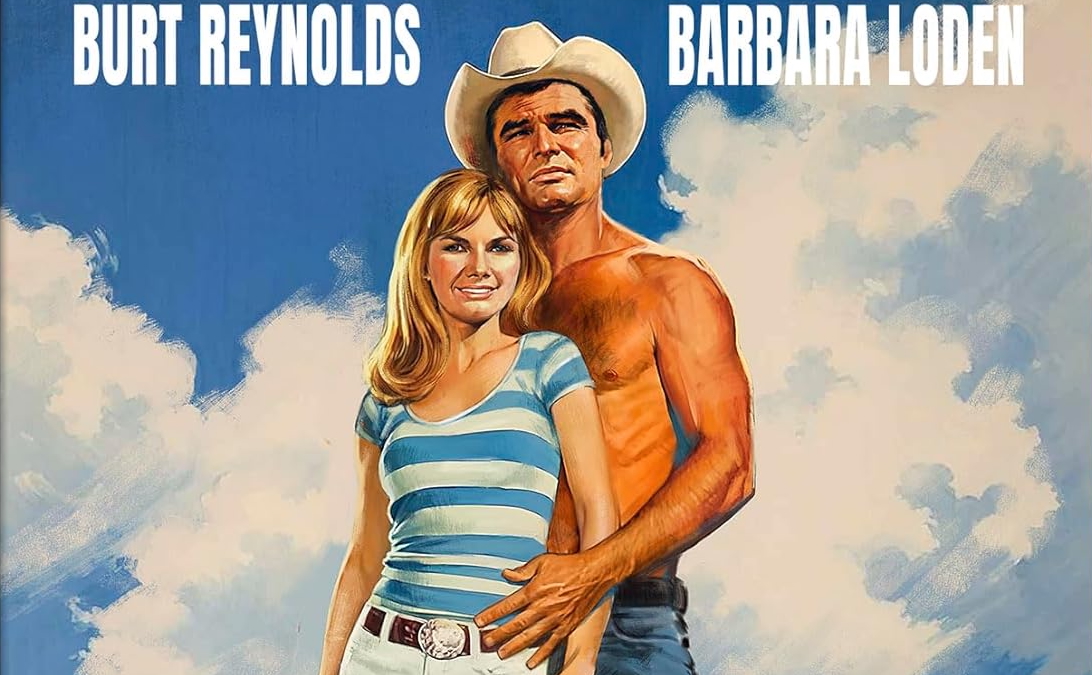
Burt Reynolds stars in the low-key romance Fade-In the first film ever credited to Alan Smithee. Kino Lorber has given this fascinating film a Blu-ray release.
The Film
What a surprise. Other than the 4-hour cut of the 1984 Dune, Fade-In may be the best film directed by the ominous Alan Smithee. Smithee is a nom-de-plur used for directors who don’t want to take credit for a film. Fade-In is not perfect, but it is also not a film that should have been buried as a late-night movie on CBS during the height of its star’s career.
Filmed in tandem with Silvio Narizzano’s Western Blue, Fade-In is a clever blend of romantic drama and behind-the-scenes film. The way they are able to blend real actors on the set of Blue with the actor of Fade-In is the film’s highlight, especially if one has seen Blue. By casting Barbara Loden as an assistant Editor and Burt Reynolds as a local who’s hired as a driver of the production, they’ve created a central romance that makes Fade-In’s more interesting than the behind-the-scenes footage and star of Blue.
The biggest issue Fade-In suffers from is the inevitability of it all. We know that what Rob (Reynolds) and Jean (Loden) start is doomed from the outset. There isn’t a sense of urgency to that romance that would give the finale the gut punch needed. Fade-In is still lovely in its moment between Reynolds and Loden and their easy chemistry. We often don’t get to see Reynold’s charm in a romantic role, and he acquits himself wonderfully. Loden is great as the assistant editor and is given more to do outside the romance than one would think.
Fade-In will surprise many who are willing to give it a chance. Yes, it’s rather obvious but that shouldn’t impede any enjoyment. Reynolds and Loden are both fantastic as romantic leads in what may be one of the best Alan Smithee films ever.
The Transfer
The 2021 HD Master by Paramount Pictures – From a 4K Scan is a solid presentation of the film’s 35mm origins. The transfer is clean and free of dirt and scratches. The William Fraker photographed on location in Utah looks beautiful in its desert color scheme on Blu-ray. Bravo to Paramount for taking the care and time on the transfer for this release which could have just been dumped to home video considering its initial troubled release.
The Extras
They include the following;
The first of two all-new Audio Commentaries is by Filmmaker Daniel Kremer, Director of Cruel, Usual, Necessary: The Passion of Silvio Narizzano (Fade-In Producer) begins with his bonafides and a discussion of producer of both Blue and Fade-In Judd Bernard. Some of the details include a discussion of the actual western used as the backdrop of Fade-In Blue – and just how misunderstood; the brief appearance of Terrence Stamp in Fade-In and his much larger role in Blue; Robert Redford cast initially in Blue and how he walked off the set; a discussion of where Burt Reynolds was at in his career when Fade-In was made; how his interest in Silvio Narizzano began; his first viewing of Fade-Inunder the title Iron Cowboy; how the film came to be under the Charlie Bludhorn’s Paramount regime; the appearance of Sally Kirkland in Fade-In and what she actually did on Blue; Reynolds thoughts on the film; the Alan Smithee credit – in addition to other films that carry the title; a larger discussion of the career and times of Silvio Narizzano the director of Blue; a larger discussion about producer Judd Bernard – and a few very interesting anecdotes about the producer; a larger discussion of why director Jud Taylor and why he took his name off the film; a larger discussion of the various actors that appear in both Blue and Fade-In and their dual roles; and much more. Kremer provides context and information for this very unusual, unique film.
The second of two all-new Audio Commentaries by Entertainment Journalists/Authors Bryan Reesman and Max Evry begins with each bonafides and diving into their thesis for their commentary track. Some of the details include the alternate title it appeared under as the CBS Late Night Movie in 1972; the production details – budget, location, timeframe; the films that were released in 1968 that were released (this one was not); where Reynolds was in his career – including a great quote about the centerfold and how it changed critics perceptions of him; the inception of the idea of filming two films simultaneously came about; Reynolds’ stunt double Glen Wilder who also co-stars in the film – which includes larger discussion of Wilder and Reynolds personal and professional relationship that lasted 50 years; Moab, Utah – that the productions that used and were used in other productions; an excerpt from an LA Times set visit that discusses the making of the film – including a great story about both productions playing a softball game; the failure of Blue at the box office; where Reynolds was in his career after the filming finished – including many other films that had been unreleased at the time; a discussion of the nom-de-plur Alan Smithee – including why the credit was credited, the different films that have used it, how this is the first that was credited though the sixth released, the name was retired by the DGA and new names have replaced it; cinematographer William Fraker’s approached the photography of the film and his thoughts on the process of being a cinematographer; a discussion of Reynolds doing his own stunts in this film; a discussion of the work here and elsewhere composer Ken Lauber; a discussion of the work of director Jud Taylor – both here and elsewhere; a discussion of the release of Fade-In on TV and how it fared; a discussion of various actors and crew that appear and work on the film; and much more. Reesman and Evry deliver an interesting and informative counterpoint to Kremer’s commentary track that’s more focused on the production of Fade-In and Reynolds.
Rounding out the special features are trailers for Navajo Joe (1:52); 100 Rifles (2:56); Sam Whiskey (2:25); Impasse (2:16); Skullduggery (2:19); White Lightning (2:26); The Longest Yard (4:04)
The Final Thought
As Alan Smithee films go, Fade-In is pretty great. Kino Lorber has done Cineastes a great service by releasing this interesting production onto Blu-ray. Recommended.
Kino Lorber’s Blu-Ray edition of Fade-In is out now.
Share this:
Like this:
Discover more from The Movie Isle
Subscribe to get the latest posts sent to your email.