A famous female golfer turned supermodel is blackmailed after a hit-and-run in the searing and brilliant A Tale of Sorrow and Sadness. New to Blu-ray from Radiance Films.
The Film
After being blacklisted and his career murdered at the hands of a Studio Head, director Seijun Suzuki made the most pitch-black indictments of fame in A Tale of Sorrow and Sadness. So insipid a look at a Golfer turned Model’s descent into madness at the hands not just of a blackmailer but those who have crafted her ascent to superstardom – Japanese audiences and critics alike rejected it outright. Close to fifty years later, the film stands as a sharp, still relevant piece of cinema that has the ability to disturb.
What begins as a sports film about an obsessive golfer, Reiko (Yoko Shiraki), quickly turns into something more sinister as the men in positions of power groom her to be more than a golfer. As Reiko ascends to the heights of superstardom, she catches the eye of an obsessive woman, Mrs. Senba (Kyoko Enami). After a drunken night, Reiko’s manager/lover (Yoshio Harada) is responsible for a hit-and-run accident, the victim being Mrs. Senba. Leaving her to fend for herself, a blackmail scheme begins that goes far beyond money. As Senba tangles herself into Reiko’s life in the most insipid of ways, can the young Starlet pull herself out of the masochistic relationship with Senba?
A Tale of Sorrow and Sadness is not a pleasant or even redemptive one. Those looking for a Fatal Attraction-style comeuppance will be sadly disappointed and upset by the film. Suzuki’s film is one of jealousy, control, and dominance. From the very beginning, Reiko is under someone’s control without any agency in her life. The golf pro who instructs her on the field. The manager who controls what she wears, eats, and talks to. The corporation that pushes her image on TV as a means to sell clothing.
If one yells and screams as Mrs. Senba takes that same control through manipulation, you have missed the point of everything. Of course, Senba would be able to abuse Reiko; it is all she has known her entire life. The point is to be angered by not just what Senba does but what everyone has done to this young woman. Even when her manager figures out what Senba has done and is doing, his response is so typical and broadly stupid, as you would expect – when he is arrested, it is no wonder. Though the true horrors do not lie in Senba, but the pack mentality that is on display in the finale. The gross way that the women pile on trespasses and abuses, if it was their right to do so to Reiko in her own home, is no different than internet bullying culture.
As the final moments play out, there is a heightened sense of violence but also tragedy. No one is spared in Suzuki’s films. Everyone must pay their pound of flesh. Even the innocent. They, too, are not immune because they are the subjects of the predators – predators in every shape, size, and gender. In Suzuki’s eyes, we are all guilty. A Tale of Sorrow and Sadness, indeed.
The Transfer
High-definition digital transfer is a decent transfer. The problem with the transfer is that the print is a fairly dirty one with specks running throughout. Thankfully, there are no scratches or true blemishes. A full restoration would have been necessary to resolve the issues. That being said, the ripe look of the 35mm widescreen cinematography by Masaru Mori is lovely in its oversaturated color scheme, adding to the darkness of the story. Radiance has given us a solid transfer with some minor imperfections that any serious cineaste will appreciate.
The Extras
They include the following;
Audio commentary by critic and author Samm Deighan (2025)
New interview with editor Kunihiko Ukai
Trailer
The all-new Audio commentary by critic and author Samm Deighan opens a discussion of director Suzuki’s decade-long absence. Some of the details include a discussion of the opening title sequence; a discussion of the writing/development of the screenplay by Atsushi Yamatoya; a discussion of Yamatoya’s work in Pink Films; what Pink Films are; a discussion of actor Yoshio Harada and his work with Suzuki and his role in the film and his career; the popularity of female golf in Japan; a discussion of the history of the Japanese “Idols” and the industry behind those figures; the work of female actors and the physicality that Suzuki allows for in this film and his entire career; the film’s relation to the 80s and 90s psycho-sexual thrillers; a history of the career of Seijun Suzuki – including his evolution of style, his first films, the themes he worked within, et. al.; a discussion of how many place this film in the Pink Film genre and Deighan discussion how A Tale of Sorrow and Sadness is not a part of it and why; a larger discussion of how the film is a critique of star system and consumerism; a larger discussion of the fact the film is also a critique of movie studios and movie making; and much more.
New interview with editor Kunihiko Ukai (19:54) – the editor and longtime collaborator of Suzuki opens with an account of what happened to Suzuki in the wake of making his final film for Nikkatsu, Branded to Kill, and the eventual legal case the director brought to Nikkatsu and its studio head. Ukai goes on to discuss Suzuki’s status as a B-movie director until the 1960s, when he began to change his style and went into the more surreal esoteric era of his career. The editor also discusses how he became involved in the film industry – the older process of mentorship; his first viewing of Suzuki’s films and how shocked he was at the style; how his collaboration was came about with Suzuki; the problems with star Yoko Shiraki – and why she was cast in the film; anecdotes from the production – including how they accomplished hyper stylized nature of the film; and much more.
Trailer (2:55) – Japanese with English Subtitles
The Final Thought
Radiance continues to produce great releases vital and important films. High recommendations!

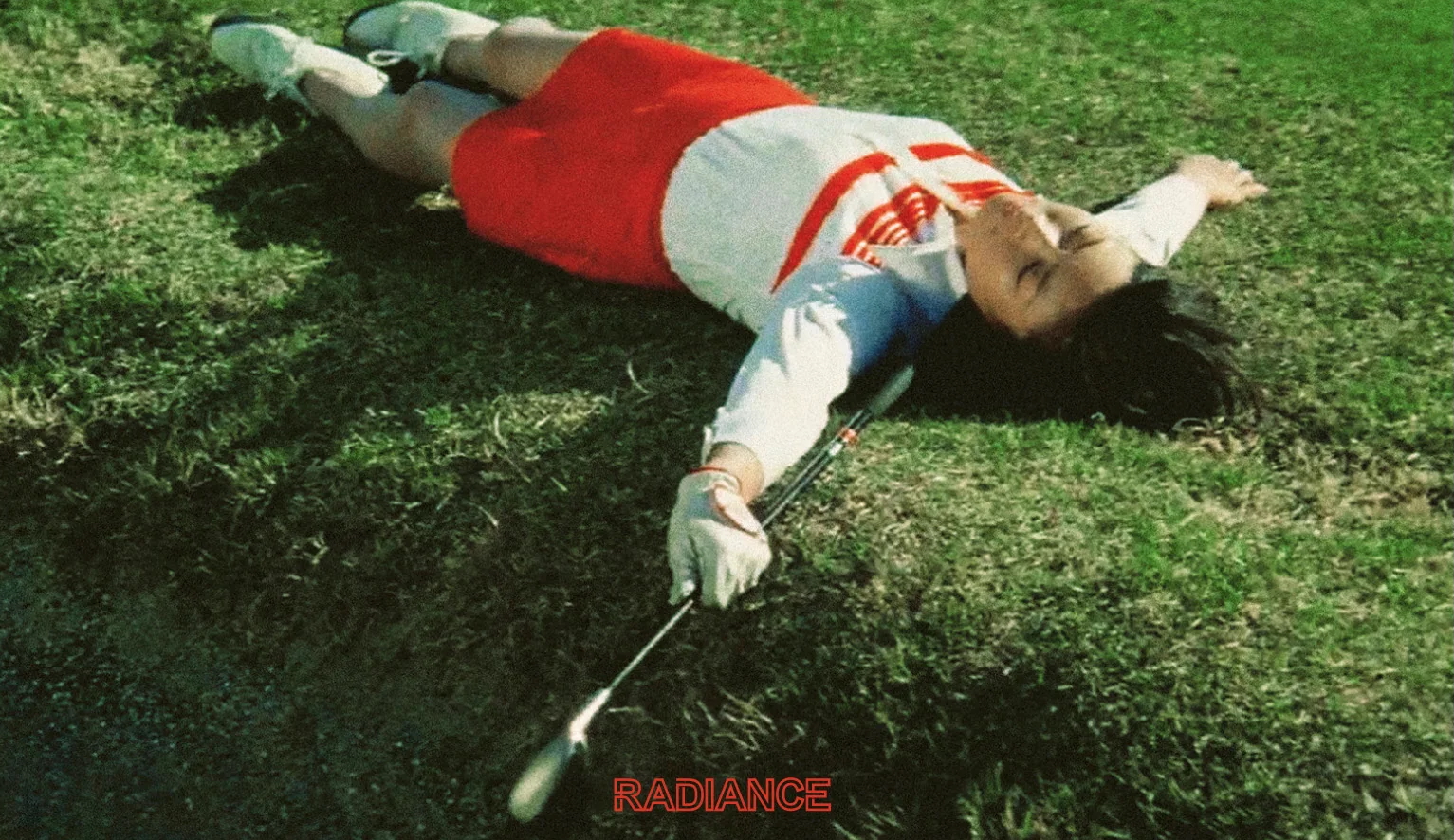
A famous female golfer turned supermodel is blackmailed after a hit-and-run in the searing and brilliant A Tale of Sorrow and Sadness. New to Blu-ray from Radiance Films.
The Film
After being blacklisted and his career murdered at the hands of a Studio Head, director Seijun Suzuki made the most pitch-black indictments of fame in A Tale of Sorrow and Sadness. So insipid a look at a Golfer turned Model’s descent into madness at the hands not just of a blackmailer but those who have crafted her ascent to superstardom – Japanese audiences and critics alike rejected it outright. Close to fifty years later, the film stands as a sharp, still relevant piece of cinema that has the ability to disturb.
What begins as a sports film about an obsessive golfer, Reiko (Yoko Shiraki), quickly turns into something more sinister as the men in positions of power groom her to be more than a golfer. As Reiko ascends to the heights of superstardom, she catches the eye of an obsessive woman, Mrs. Senba (Kyoko Enami). After a drunken night, Reiko’s manager/lover (Yoshio Harada) is responsible for a hit-and-run accident, the victim being Mrs. Senba. Leaving her to fend for herself, a blackmail scheme begins that goes far beyond money. As Senba tangles herself into Reiko’s life in the most insipid of ways, can the young Starlet pull herself out of the masochistic relationship with Senba?
A Tale of Sorrow and Sadness is not a pleasant or even redemptive one. Those looking for a Fatal Attraction-style comeuppance will be sadly disappointed and upset by the film. Suzuki’s film is one of jealousy, control, and dominance. From the very beginning, Reiko is under someone’s control without any agency in her life. The golf pro who instructs her on the field. The manager who controls what she wears, eats, and talks to. The corporation that pushes her image on TV as a means to sell clothing.
If one yells and screams as Mrs. Senba takes that same control through manipulation, you have missed the point of everything. Of course, Senba would be able to abuse Reiko; it is all she has known her entire life. The point is to be angered by not just what Senba does but what everyone has done to this young woman. Even when her manager figures out what Senba has done and is doing, his response is so typical and broadly stupid, as you would expect – when he is arrested, it is no wonder. Though the true horrors do not lie in Senba, but the pack mentality that is on display in the finale. The gross way that the women pile on trespasses and abuses, if it was their right to do so to Reiko in her own home, is no different than internet bullying culture.
As the final moments play out, there is a heightened sense of violence but also tragedy. No one is spared in Suzuki’s films. Everyone must pay their pound of flesh. Even the innocent. They, too, are not immune because they are the subjects of the predators – predators in every shape, size, and gender. In Suzuki’s eyes, we are all guilty. A Tale of Sorrow and Sadness, indeed.
The Transfer
High-definition digital transfer is a decent transfer. The problem with the transfer is that the print is a fairly dirty one with specks running throughout. Thankfully, there are no scratches or true blemishes. A full restoration would have been necessary to resolve the issues. That being said, the ripe look of the 35mm widescreen cinematography by Masaru Mori is lovely in its oversaturated color scheme, adding to the darkness of the story. Radiance has given us a solid transfer with some minor imperfections that any serious cineaste will appreciate.
The Extras
They include the following;
The all-new Audio commentary by critic and author Samm Deighan opens a discussion of director Suzuki’s decade-long absence. Some of the details include a discussion of the opening title sequence; a discussion of the writing/development of the screenplay by Atsushi Yamatoya; a discussion of Yamatoya’s work in Pink Films; what Pink Films are; a discussion of actor Yoshio Harada and his work with Suzuki and his role in the film and his career; the popularity of female golf in Japan; a discussion of the history of the Japanese “Idols” and the industry behind those figures; the work of female actors and the physicality that Suzuki allows for in this film and his entire career; the film’s relation to the 80s and 90s psycho-sexual thrillers; a history of the career of Seijun Suzuki – including his evolution of style, his first films, the themes he worked within, et. al.; a discussion of how many place this film in the Pink Film genre and Deighan discussion how A Tale of Sorrow and Sadness is not a part of it and why; a larger discussion of how the film is a critique of star system and consumerism; a larger discussion of the fact the film is also a critique of movie studios and movie making; and much more.
New interview with editor Kunihiko Ukai (19:54) – the editor and longtime collaborator of Suzuki opens with an account of what happened to Suzuki in the wake of making his final film for Nikkatsu, Branded to Kill, and the eventual legal case the director brought to Nikkatsu and its studio head. Ukai goes on to discuss Suzuki’s status as a B-movie director until the 1960s, when he began to change his style and went into the more surreal esoteric era of his career. The editor also discusses how he became involved in the film industry – the older process of mentorship; his first viewing of Suzuki’s films and how shocked he was at the style; how his collaboration was came about with Suzuki; the problems with star Yoko Shiraki – and why she was cast in the film; anecdotes from the production – including how they accomplished hyper stylized nature of the film; and much more.
Trailer (2:55) – Japanese with English Subtitles
The Final Thought
Radiance continues to produce great releases vital and important films. High recommendations!
Radiance Films Blu-ray Edition of A Tale of Sorrow and Sadness is out now
Share this:
Like this:
Discover more from The Movie Isle
Subscribe to get the latest posts sent to your email.